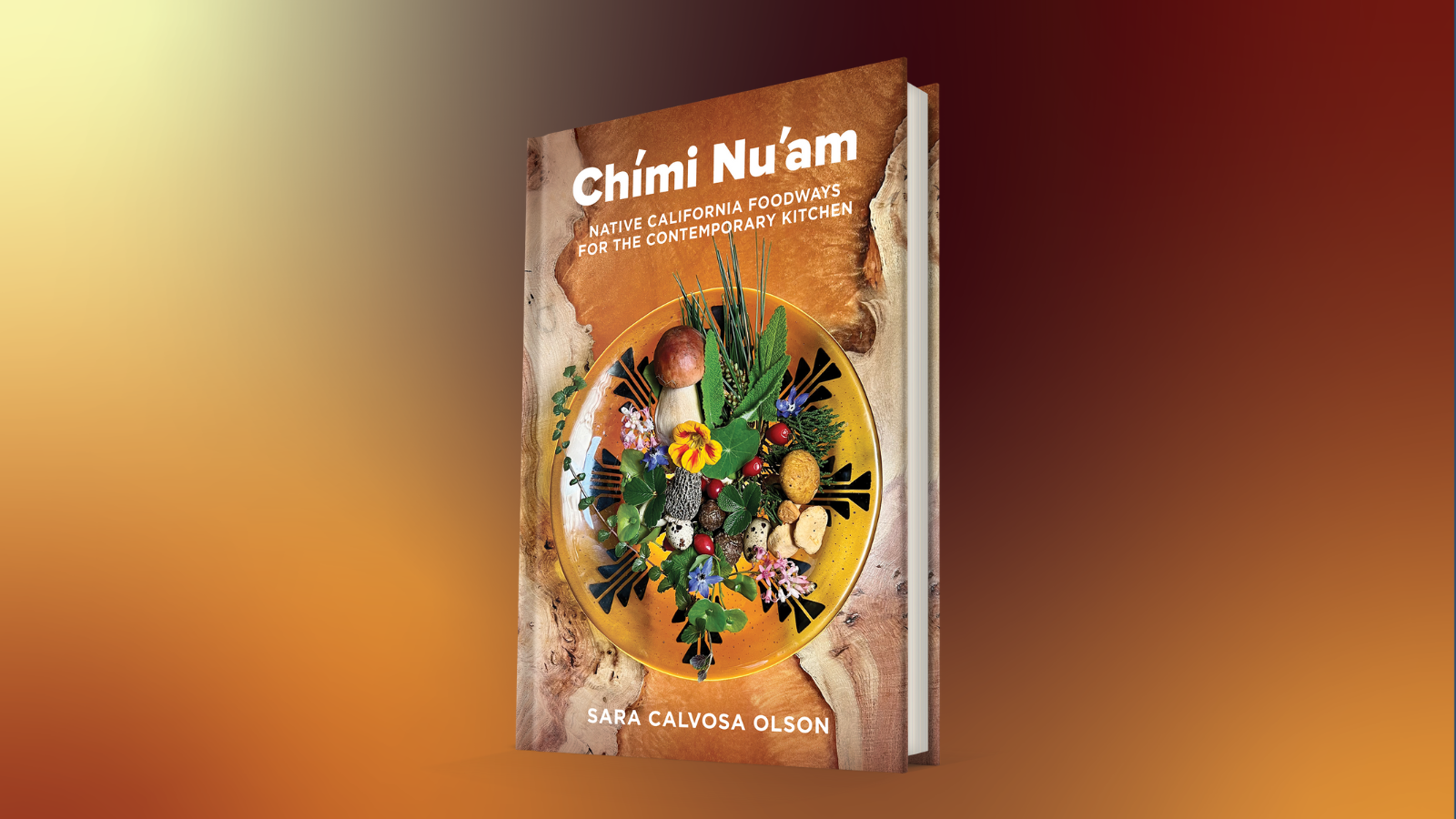
Debuts September 2023 — Chími Nu'am
FOR IMMEDIATE RELEASE
Let’s Eat! New Cookbook, Chími Nu’am, Guides Home Chefs on a Seasonal Journey Through Native California’s Foodways
Sara Calvosa Olson guides gourmands on a journey to decolonize their diets in this one-of-a-kind cookbook that serves up Native Californians’ traditional ingredients with a modern-day twist.
BERKELEY, CALIF.—California is home to a vast and vibrant array of Native American peoples each with their own distinctive culinary traditions rooted in their ancestral lands. This fall Karuk-Italian food writer Sara Calvosa Olson celebrates this Indigenous heritage in her inventive and vim-filled cookbook Chími Nu’am: Native California Foodways for the Contemporary Kitchen. Gathering over 70 delectable recipes and featuring more than 100 photographs as well as stories, staples, and stewardship philosophies from tribal communities across the West, this accessible kitchen companion reimagines some of California’s oldest ingredients for home cooks today.
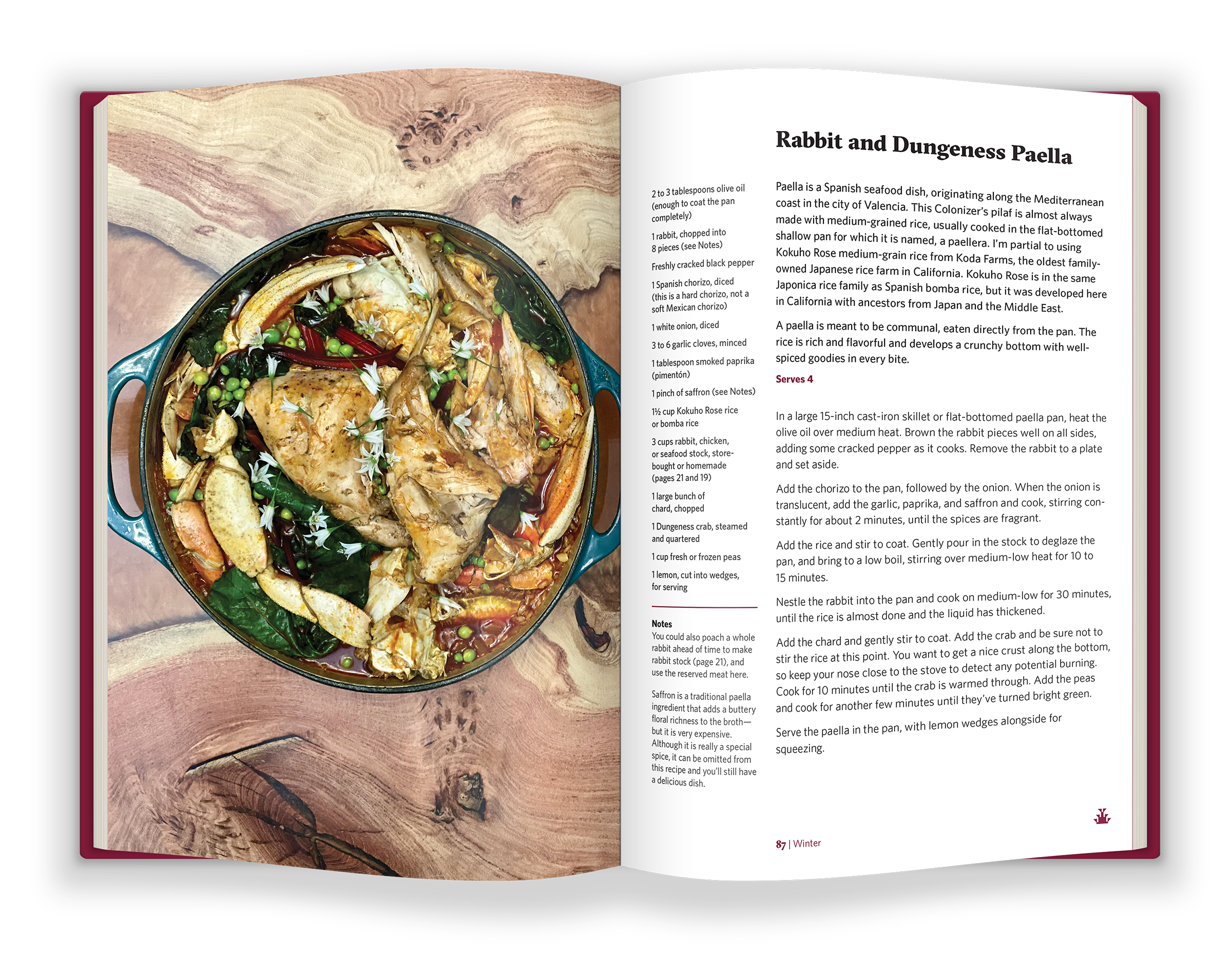
Meaning “Let’s eat!” in the Karuk language, Chími Nu’am bucks the trend against the high-sugar, high-fat, high-sodium disease-making diets of mainstream food culture, centering recipes around natural foods indigenous to California, from acorns to deer meat, that have been cultivated and shared by Native peoples for thousands of years. Blending these traditions with waves of modern-day diasporic influences, Calvosa Olson brings us such mouthwatering plates as red chile rabbit tamales, manzanita waffles, stinging nettle risotto, wild berry freezer pops, miso smoked salmon chowder, and mussels and mushrooms on acorn bread — (“This recipe is as if someone said, ‘Avocado toast, but make it NDN.’ Well, I got you,” she writes).
Divided into four seasonal sections, recipes progress from fall through summer, tied to the cadence of the land’s natural rhythms and braided with insights on mindful ingredient sourcing and preservation. Calvosa Olson shows us how to stretch our bounty by making gathered ingredients last—through smoking, drying, pickling, kippering, canning, and repurposing those ugly veggies for stock, sauces, and braises. Acknowledging the inherently political nature of food, this cookbook also gently calls on us to divest from extractivist food systems by incorporating more local ingredients into our diets.
“Think of this as a reverse cookbook,” writes Calvosa Olson; “It isn’t the type of book in which you find a recipe and then run to the store for the ingredients you need to fulfill your weeknight dinner grind. This book requires a connection to nature and food gathering that you will need to nurture, to become inspired by your role as an environmental steward.” Geared toward Earth-to-table eaters and anyone keen to begin their journey to decolonize their mind in relation to food, this cookbook is a sharp and soulful addition to warm any kitchen.
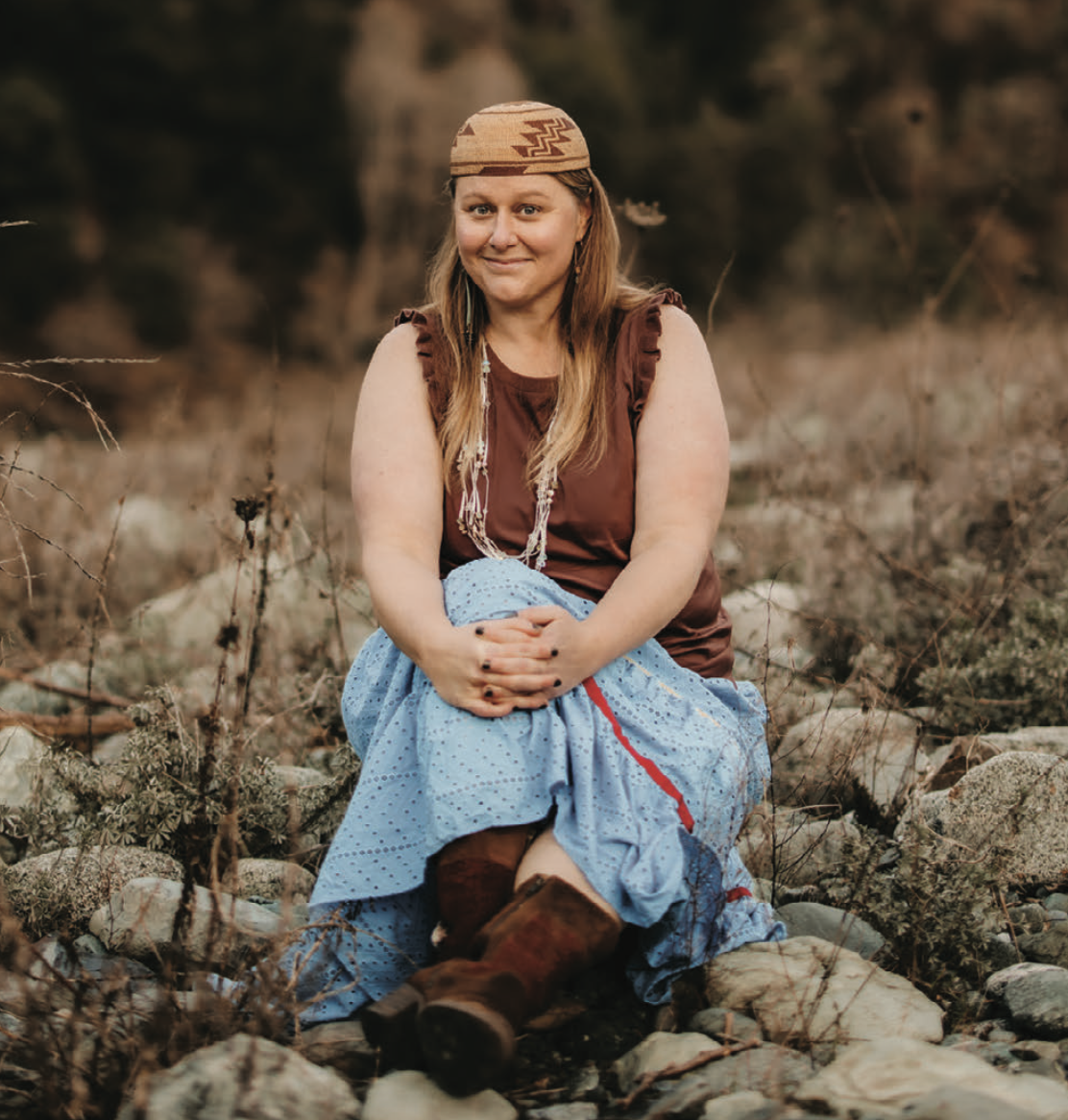
Sara Calvosa Olson (Karuk) is a food writer and editor living in the Bay Area with her husband and two teenage sons. Her work dwells at the intersection of storytelling, Indigenous food systems, security, sovereignty, reconnection, and recipe development. Her writing has appeared in News from Native California and Edible Shasta-Butte. Visit her website at akihsara.com, and follow her on Instagram at @thefrybreadriot.
Media Contact:
Kalie Caetano
Marketing & Publicity Director
For review copies, feature interest, and interview and image requests, get in touch: publicity@heydaybooks.com
Keep up with Heyday on social:

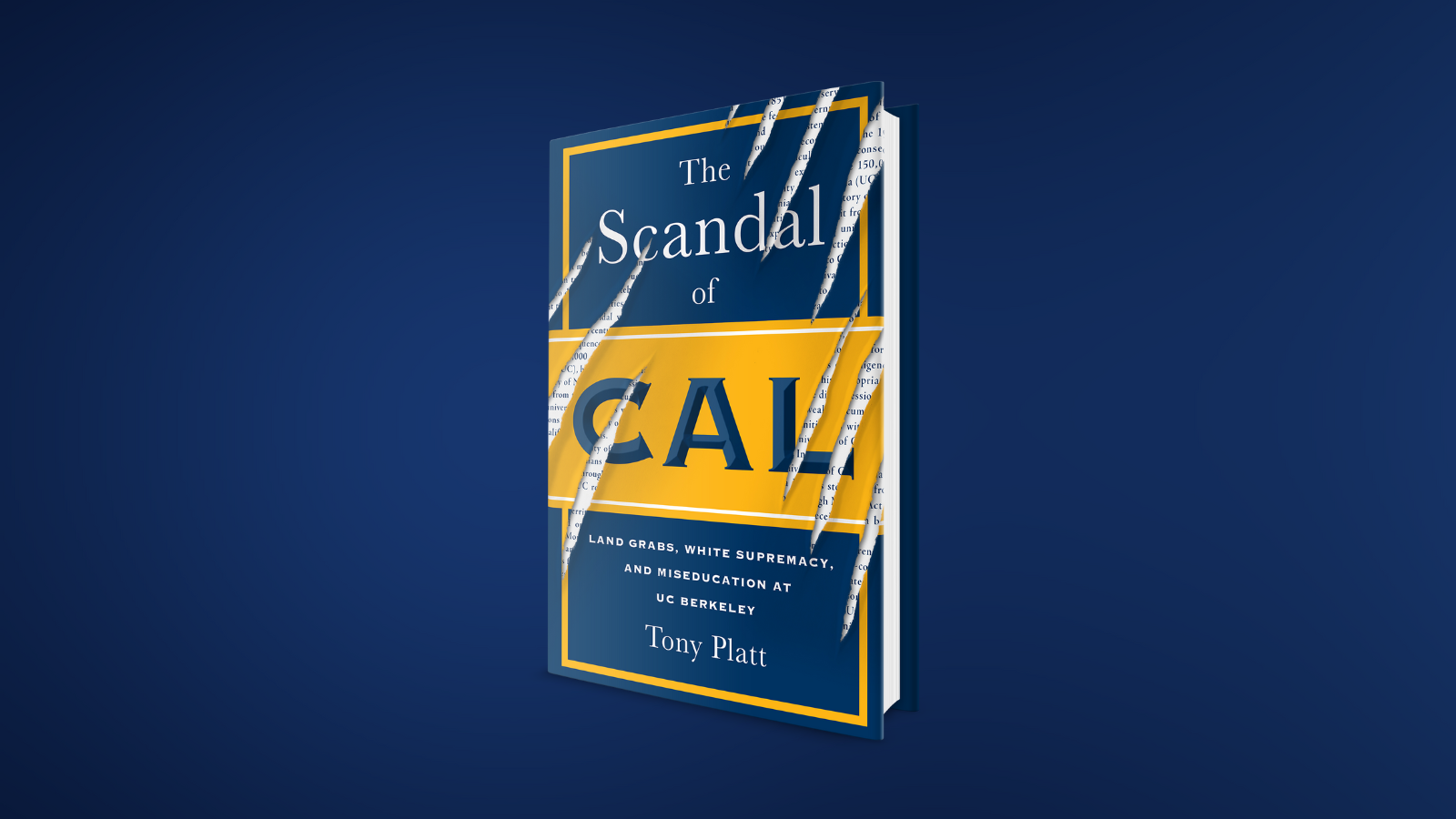
Debuts August 2023 — The Scandal of Cal
FOR IMMEDIATE RELEASE
The Scandal of Cal is an Eye-Opening Call-to-Action for Restorative Justice at UC Berkeley
This unflinching critical history shines light on the university’s culpability in eugenics, Native American dispossession and erasure, and US imperialism abroad.
“Many have written of the horrors of genocide of the Indigenous peoples of Northern California, but none as affecting as Tony Platt. The Scandal of Cal is a template for scrutinizing other land-grant universities with their pasts of land grabs and white supremacy.”
—ROXANNE DUNBAR-ORTIZ, author of An Indigenous Peoples’ History of the United States
BERKELEY, CALIF. — Esteemed as an incubator of progressive thought, the flagship campus of the University of California in Berkeley, also known as Cal, styles itself as an agent for social justice—but within its walls and buried beneath its campus lies evidence of the university’s unreconciled histories with scientific racism, the military-industrial complex, and Native American genocide. In The Scandal of Cal: Land Grabs, White Supremacy, and Miseducation at UC Berkeley, long-time academic and research scholar Tony Platt unearths the university’s settler-colonial origins and traces their reverberating impacts to today.
In this meticulously researched book—the first critical history of UC Berkeley—Platt excavates the origins of the university and its founding worldviews. Setting the institution’s history within the context of what he describes as “The California Story”—a mythologized, whitewashed public narrative of the state’s past—The Scandal of Cal reveals how the maelstrom of eugenics, Manifest Destiny, and American imperialism defined UC Berkeley’s original ideological mission and normalized the university’s devastating toll on humanity, from the Indian Wars to Hiroshima and beyond.
Platt’s work calls attention to the ongoing harms of these living histories, dealing a forceful blow to narratives perpetuated by the university’s Brand Protection arm. Today, UC Berkeley sits on the largest collection of unrepatriated Native American human remains in the United States—possibly the world—despite its obligations under federal mandate to return ancestors to their tribal descendants. Institutional memory, meanwhile, valorizes white supremacist forerunners in campus architecture and rosy origin stories, obscuring the personal culpability in historic wrongs of such figures as museum benefactor Phoebe A. Hearst, nuclear scientist Robert J. Oppenheimer, anthropologist Alfred Kroeber, and others.
“Academia functions not just as a servant of power but as a powerful institution in its own right,” argues Platt, whose work serves as a truth-telling model for other universities. Cautioning readers that “silence is habit-forming,” Platt ends his book with a hard question: What would it take for Berkeley to live up to its reputation as an agent of social change, to repair harms, and to restore public trust?
Advance Praise for The Scandal of Cal
“An important addition to ongoing calls for social, political, and epistemic justice for Native peoples in California and beyond, The Scandal of Cal reminds us that a historical narrative which honors Native American resistance and sovereignty helps us to envision decolonized futures.”
—CUTCHA RISLING BALDY, author of We Are Dancing for You: Native Feminisms and the Revitalization of Women’s Coming-of-Age Ceremonies
“Writing with prosecutorial fervor, Tony Platt marshals extensive research and six decades of personal experience to charge the University of California, Berkeley, with moral errors of deep significance—sins of both commission and omission.”
—BENJAMIN MADLEY, author of An American Genocide: The United States and The California Indian Catastrophe, 1846–1873
“Platt peels back the façade of an institution that professes a commitment to social justice and shrouds itself in a legacy of student activism. His central argument is broadly applicable across academia.”
—DAMON B. AKINS, co-author of We Are the Land: A History of Native California
“A rich and rightly disturbing addition to the emerging literature of the sordid side of the history of the West. Platt’s scholarly and moving volume may well nudge the overlords of Berkeley to begin the slouch toward their atonement.”
—JOHN BRISCOE, Distinguished Fellow, Berkeley Law, recipient of the Oscar Lewis Award for Western History
“This is a land acknowledgement.”
—RUTH WILSON GILMORE, author of Abolition Geography: Essays towards Liberation
Media Contact:
Kalie Caetano
Marketing & Publicity Director
For review copies, feature interest, and interview and image requests, get in touch: publicity@heydaybooks.com
Keep up with Heyday on social:
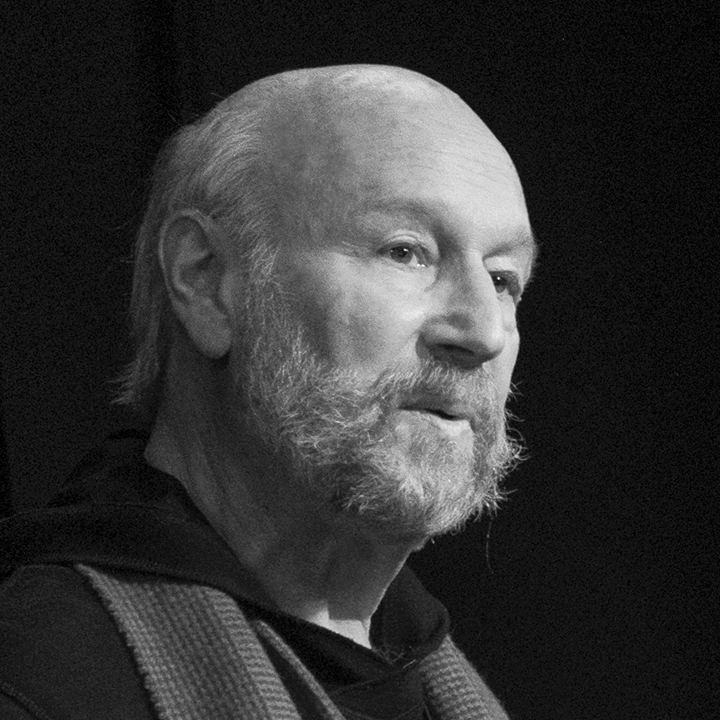
Tony Platt is a Distinguished Affiliated Scholar at UC Berkeley’s Center for the Study of Law and Society and co-founder of the Berkeley Truth and Justice Project. He is the author of thirteen books, including Grave Matters: The Controversy Over Excavating California’s Buried Indigenous Past (Heyday, 2011) and Beyond These Walls: Rethinking Crime and Punishment in the United States (St. Martin’s Press, 2019). His work has been translated into German, Spanish, Italian, and Japanese. Platt has also written for the Los Angeles Times, San Francisco Chronicle, Berkeleyside, Truthdig, The Nation, Salon, and The Guardian and his commentaries have aired on NPR. He was interviewed by ProPublica and NBC reporters during their 2023 investigation of UC Berkeley’s noncompliance with the federal Native American Graves Protection and Repatriation Act (NAGPRA). He lives in Berkeley and Big Lagoon, California.
A Q&A with Tony Platt
Your book focuses on Cal’s early years—in particular the ways the university built its reputation on conquest, racist thought, and violence. What makes this history important to confront today? What is the cost of saying, “That’s all in the past,” and ignoring it?
We know from the history of atrocities around the world that the past never rests in peace, and that the decision to remember is always in motion and subject to revision. States and institutions do their best to invent an origins story that is heroic and inspirational. The University of California exemplifies this tendency: replacing a history of land grabs, white supremacy, and hoarding of Indigenous human remains and artifacts with a self-serving narrative about the inevitability of Progress and Civilization. Meanwhile, the university continues to benefit from land acquired in the wake of genocide; to celebrate founding fathers and mothers who made their fortunes and fame from war and conquest; and to enshrine academics who polished their careers by making white supremacy respectable. The past is very much present. No doubt it will be disturbing for Cal to excavate what it imagines to be its settled origins story. But I think it is more disturbing to leave actual history comfortably shrouded in amnesia.
You pay special attention to Cal’s history of hoarding Indigenous remains. The university still has the remains of over 9,000 Native people, likely more than any other American academic institution. What do you hope your book will change about this situation?
The university has failed for thirty-two years to comply with federal legislation that required it to publish an accurate inventory of its plundered Indigenous collections in order to facilitate repatriation to tribes. Why such stubborn resistance despite decades of Native organizing, from polite requests to rambunctious militancy, and recent efforts by the California legislature to make Cal live up to its legal and ethical responsibilities? The Scandal of Cal argues that the university’s hoarding problem has deep institutional and structural roots that necessitate systemic solutions.
What do you hope Cal alumni and students will do after reading this book?
Hopefully, this book will empower activists to make Berkeley live up to its public relations brand as a public service university and catalyst of social justice. California’s tribes and Native organizations must play a central part in this reckoning. After all, their homelands, blood, ancestors, patrimony, and knowledge are central to the history of the region, state, and university.
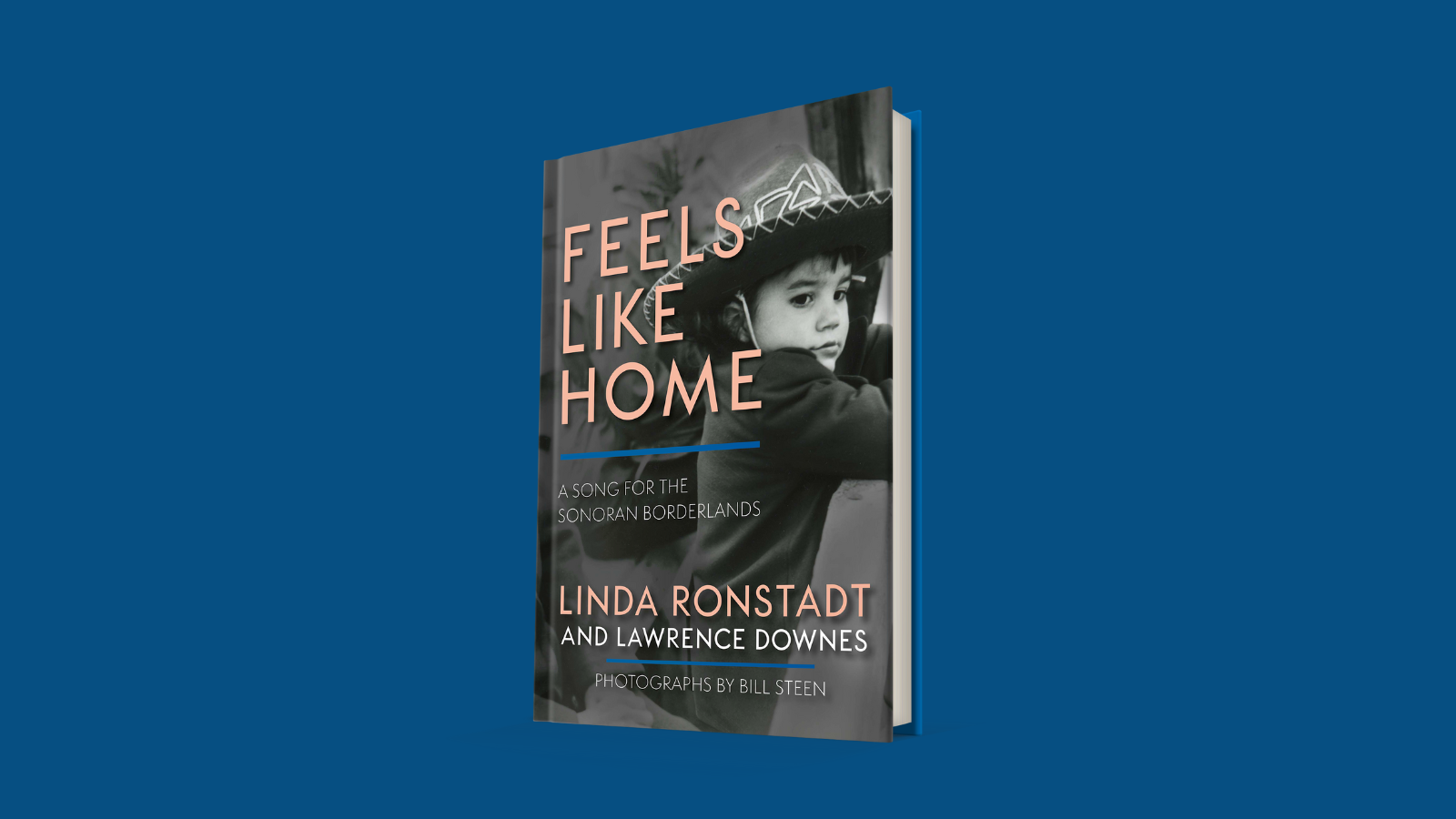
Linda Ronstadt Fills the House at the Tucson Book Festival
Linda Ronstadt Fills the House at the Tucson Book Festival
A note from Heyday Publisher Steve Wasserman
Linda Ronstadt was the headliner at the just-concluded annual Tucson Book Festival. As her publisher, I was thrilled to be there to feel the palpable affection and esteem sent her way by the twelve hundred people who packed the Arizona Ballroom at the University of Arizona’s Student Union on Sunday afternoon to hear her talk. Tucson is Linda’s hometown and her book, Feels Like Home: A Song for the Sonoran Borderlands is a paean to the place where she was born and raised and which, as she recounts, shaped her entire sensibility, musical and otherwise. But something occurred at that event that was genuinely surprising beyond the love for Linda and her musical legacy. A member of the audience made striking and newsworthy and wholly unexpected remarks.
During the open mic given to members of the crowd to ask questions, a lanky man wearing a large cowboy hat stood up from the back of the hall and introduced himself as the Sheriff of Santa Cruz County. He said his name was David Hawthorne and he proceeded to make a remarkable confession, a confession that took some political guts.
He said he’d come to Ronstadt’s talk because he’d been moved by her activism, by what she’d been saying for years, insisting that the demonization of migrants was a matter of national shame, writing in her new book, Feels Like Home, that she was “heartbroken to see how the country has sunk into anti-immigrant racism and horrifying violence. . . . The tragedy is that many present-day descendants of immigrants look back at their own ancestors as the righteous and holy ones, and regard the newest arrivals with suspicion and disgust,” concluding that “It would be more honest if we called our country the United States of Who the Fuck Are You?”
Hawthorne said he’d been greatly affected by her example, that his was a fifth-generation Arizona family that had done business with her grandfather, and that he personally was seeking to act toward others with empathy, trying to put into place policies throughout the county that would treat migrants with the dignity and decency they deserved. The audience erupted in applause. He strode toward the dais and presented Linda with a sheriff’s coin as a token of his respect and appreciation.
Later, Linda told me she was happy to have this badge of honor as you never know when you might be pulled over for speeding or some other infraction and it just might be useful as you were showing your driver’s license to have such a badge poking out of your purse.
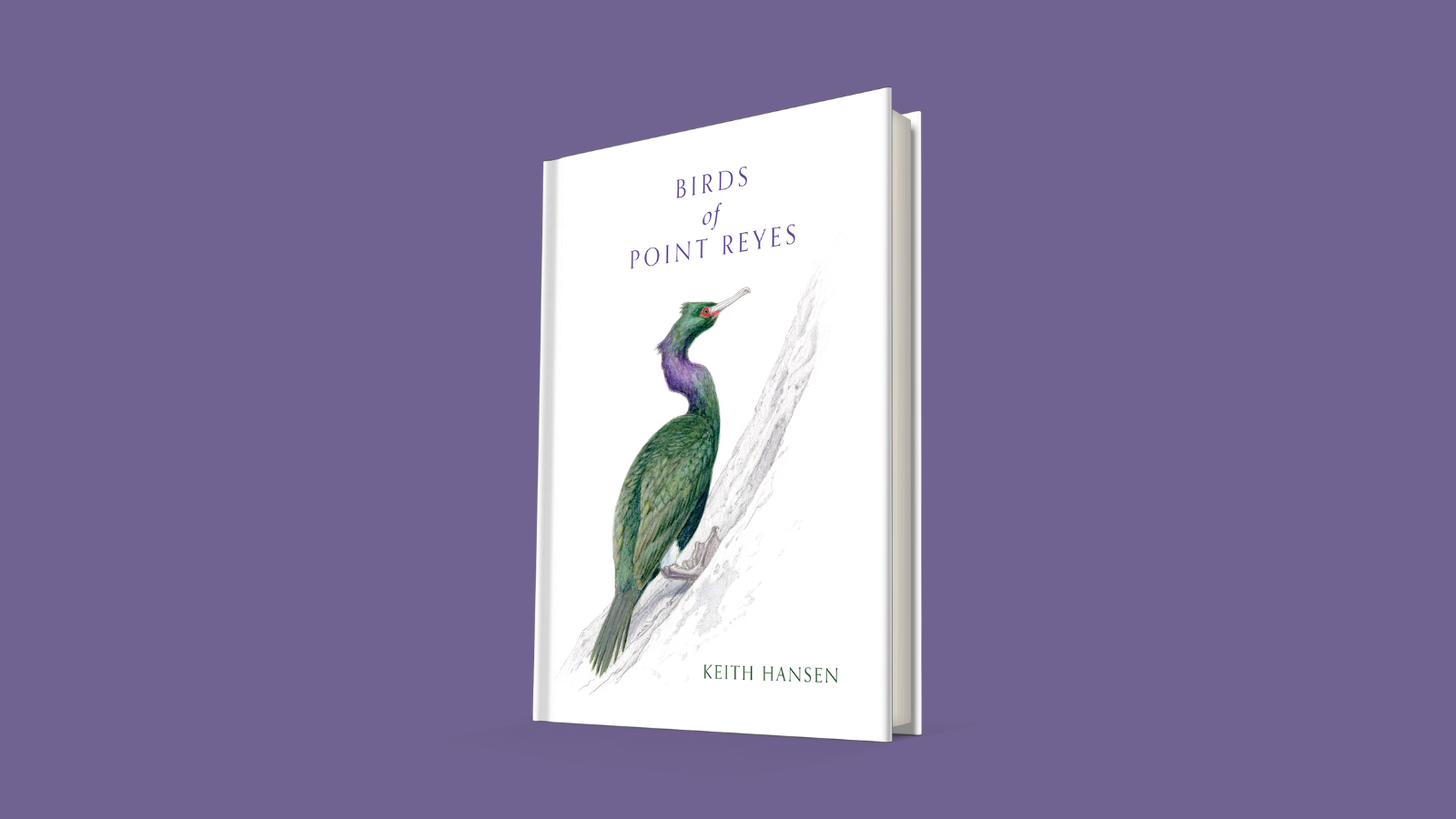
Debuts June 2023 — Birds of Point Reyes
FOR IMMEDIATE RELEASE
Birds of Point Reyes Pays Artful Homage to World-Famous Avian Biodiversity Hotspot
Illustrator Keith Hansen showcases the birds who live and layover in Marin’s premiere birding destination with paintings and playful prose in new book.
“Magnificently illustrated and narrated in Hansen’s poetic and often playful voice, this jewel of a book enables us to experience nature as miraculous. Each essay deserves to be reread often as a meditation on beauty and survival.”
—Amy Tan, author of The Joy Luck Club
BERKELEY, CALIF. — The sky that stretches over the rugged coastline of the Point Reyes Peninsula is one of the most frequented flyways in the nation, a veritable Grand Central Station for the feathered. Each year this region draws thousands of experienced birders, budding naturalists and outdoor enthusiasts to glimpse the stunning diversity of species flying overhead—from the arctic shorebirds wintering southward to the bold patterned songbirds honeymooning northward. In addition to these faraway sojourners, an abundance of year-rounders nest among the cypresses and sea cliffs making the Point Reyes National Seashore one of the top ten bird diversity hotspots nationwide.
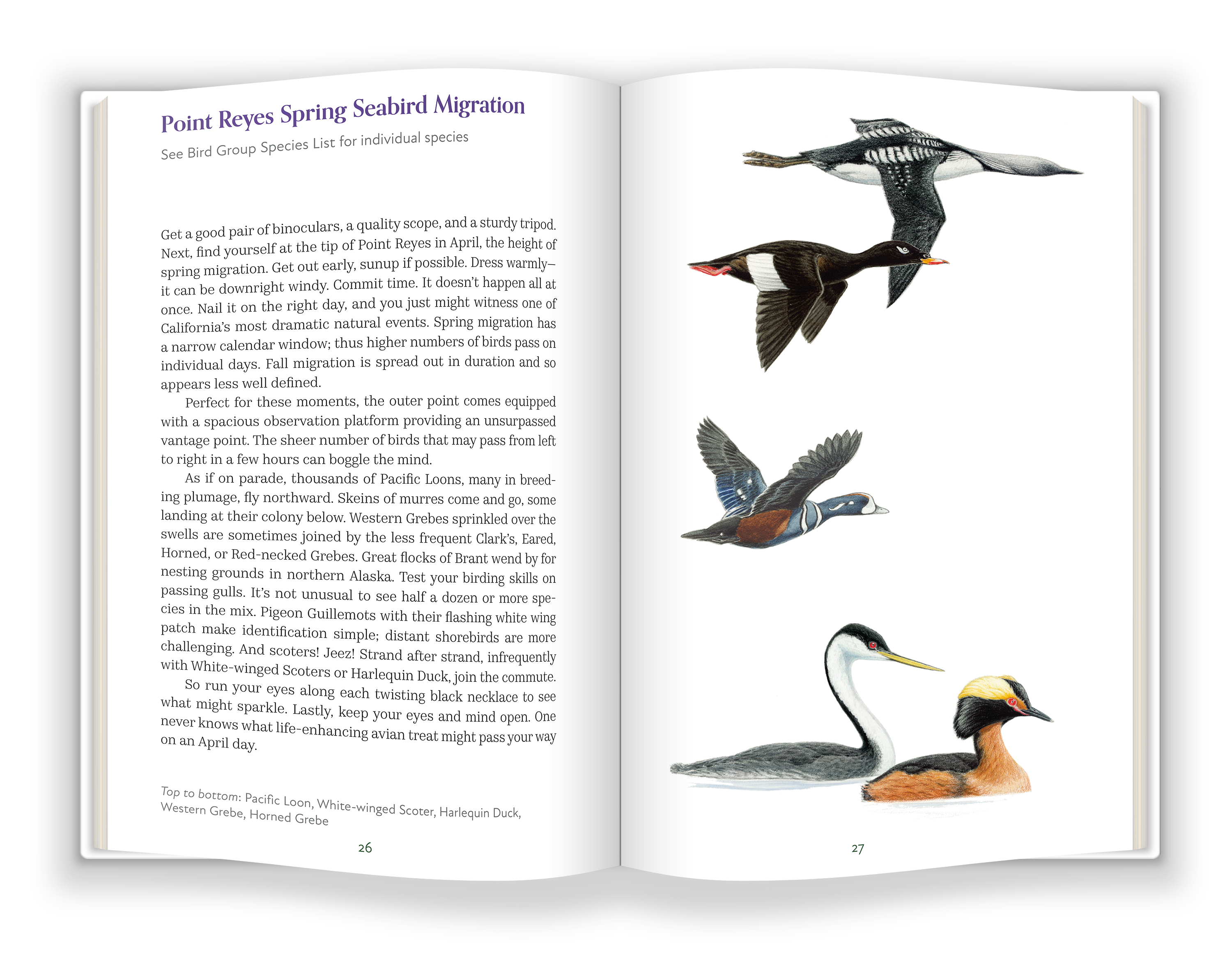
This summer Bolinas-based artist Keith Hansen, author of the best-selling Hansen’s Field Guide to the Birds of the Sierra Nevada, invites readers to look up and take flight with these winged wonders in his richly illustrated guide Birds of Point Reyes. Through his paintbrush, Hansen brings 27 iconic species to life with dexterity and aplomb—including the beachcombing Snowy Plover, the rugged Surf Scoter, the elusive Rock Wren, the fearless American Kestrel, and more. Each richly realized portrait features an accompanying profile detailing build, plumage, character, and other idiosyncrasies gathered through Hansen’s years of observation and fieldwork with the Point Reyes Bird Observatory.
An introductory section to this volume also offers Hansen’s guidance and insight to the migratory seasons and insider tips for fruitful and ethical bird-gazing that will, as Hansen writes, help readers “perfect the art of standing still and be rewarded with the intimate and memorable encounters with the creatures of nature.”
Birds of Point Reyes is the third volume in Heyday’s beloved bird series, which also includes Oliver James’s Birds of Berkeley (now available in paperback) and Alex Harris’s Birds of Lake Merritt. It debuts June 2023, during peak migratory season.
Media Contact:
Kalie Caetano
Marketing & Publicity Director
For review copies, feature interest, and interview and image requests, get in touch: publicity@heydaybooks.com
Keep up with Heyday on social:
Advance Praise for Birds of Point Reyes
“Keith gets the Point! He distills decades of appreciation of Point Reyes into a compact treasury of natural history knowledge. Marrying his art with a lifetime of acute observation, Keith offers more than a guide to identification—you really understand how each of these birds lives. And it’s all done in his sparkling and entertaining style.”
—Burr Heneman, former executive director of Point Reyes Bird Observatory
“Keith Hansen’s lovely book perfectly pairs informative, entertaining, and insightful species accounts with beautiful illustrations. A necessity for anyone visiting the Point Reyes region!”
—Sophie Webb, artist, author, and biologist
“The breathtaking illustrations and exuberant species accounts in this book arise from Keith’s lifetime of boundless enchantment and keen observation. His eye for nuance and beauty brings each species to life on the page. Most important of all, his celebration of this unique peninsula’s wondrous birdlife teaches us to stay open to the world with our eyes, ears, and mind.”
—Jules Evens, author of Natural History of the Point Reyes Peninsula
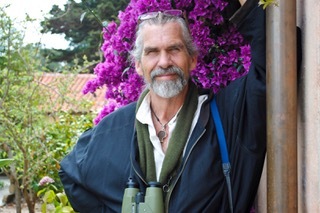
Keith Hansen illustrated and co-authored Hansen’s Field Guide to the Birds of the Sierra Nevada (Heyday, 2021), a field guide companion to Birds of the Sierra Nevada: Their Natural History, Status, and Distribution. He is a professional bird illustrator whose images have been featured in Discovering Sierra Birds; Birds of Yosemite and the East Slope; and Natural History of the Point Reyes Peninsula, among other books. His Wildlife Gallery, part of the Bolinas Museum, is an open studio showcasing his originals, prints, and other artwork. Hansen lives in Bolinas, California.
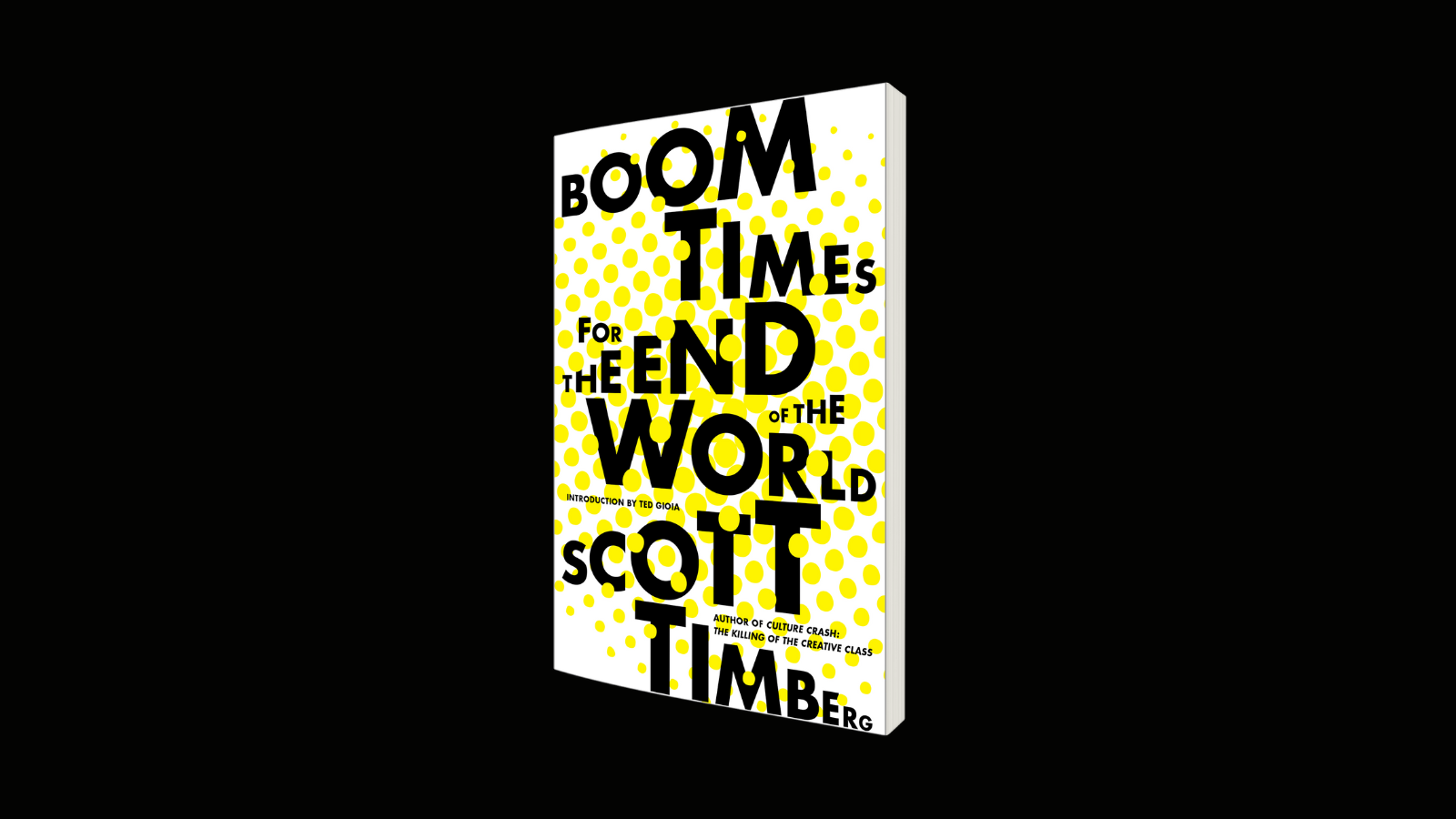
Debuts March 2023 — Boom Times for the End of the World
FOR IMMEDIATE RELEASE
A Propulsive Collection from Late Culture Reporter Scott Timberg Debuts from Heyday
Boom Times for the End of the World gathers Timberg’s lively love letters and deftly wrought dirges to the creative class he chronicled.
“A perfect journalistic valediction from one of LA’s finest commentators.”
—RICHARD THOMPSON, singer-songwriter, author of Beeswing
BERKELEY, CALIF. — Boom Times for the End of the World is a perceptive and prescient collection of cultural criticism from Scott Timberg, the late chronicler of the creative class and devotee of the prodigious dream machine of Los Angeles. In this work, the passionate arts journalist, author of the acclaimed Culture Crash (2015), plunges readers into the annals of Hollywood, the bullpens of alt-presses, and the backstages of the LA Philharmonic in a celebration of art’s meaning-making power and an assessment of its beleaguered relationship to the commercial market.
Featuring over two dozen essays published in the New York Times, Al Jazeera America, Vox, and others, this volume encompasses some of Timberg’s most incisive criticism and forward-thinking concerns about the creative economy—for instance, how popular music has digested decades of inequality; the collapsing hierarchy of high- and lowbrow art; and whether unions can save the creative class.
Formerly a staff writer for New Times LA, the Los Angeles Times, and Salon, Timberg was also no stranger to the turbulent freelance economy. Renowned by artists and peers for his omnivorous mind and unquenchable curiosity, he was described as a “polymath arts journalist” by the likes of Lynell George, Janet Fitch, and Charles McNulty and a “patron saint for all the forgotten writers, artists, musicians, and other victims of the gig economy,” by Ted Gioia (author of the Introduction to this volume). Grief rippled across the cultural ecosystem on the occasion of Timberg’s suicide on December 10, 2019, a shock still deeply felt by many admirers.
“Scott knew many things,” says musician and Galaxie 500 frontman Dean Wareham. “To paraphrase Isaiah Berlin, he was a fox, not a hedgehog, and this collection is the proof.”
“In an era of edgy hot takes and glib quick-hits, there is something soul satisfying in hearing Scott’s erudite voice again. A ravenous researcher, deep thinker and elegant wordsmith, Scott put his full heart into everything. […] It’s such a gift to finally have some of his finest observations and meditations collected between two covers.”
—LYNELL GEORGE, author of A Handful of Earth, A Handful of Sky
“This insightful compendium brings together highlights from the career of Los Angeles Times reporter Timberg (Culture Crash), who died in 2019. […] The selections attest to the richness of Timberg’s analysis and demonstrate that the author was as comfortable dissecting the legacy of pianist Glenn Gould and the stories of Ray Bradbury as he was Spike Jonze films and lyrics by rap group the Coup. […] This is a fitting testament to a skilled cultural critic.”
“As much a love letter to California as it is to the artists that Timberg championed, this posthumous collection gathers pieces that are deep and meditative, creating a narrative about the trajectory of culture, at times exciting, often disappointing, and always interesting.”
Media Contact:
Kalie Caetano
Marketing & Publicity Director
For review copies, feature interest, and interview and image requests, get in touch: publicity@heydaybooks.com
Keep up with Heyday on social:
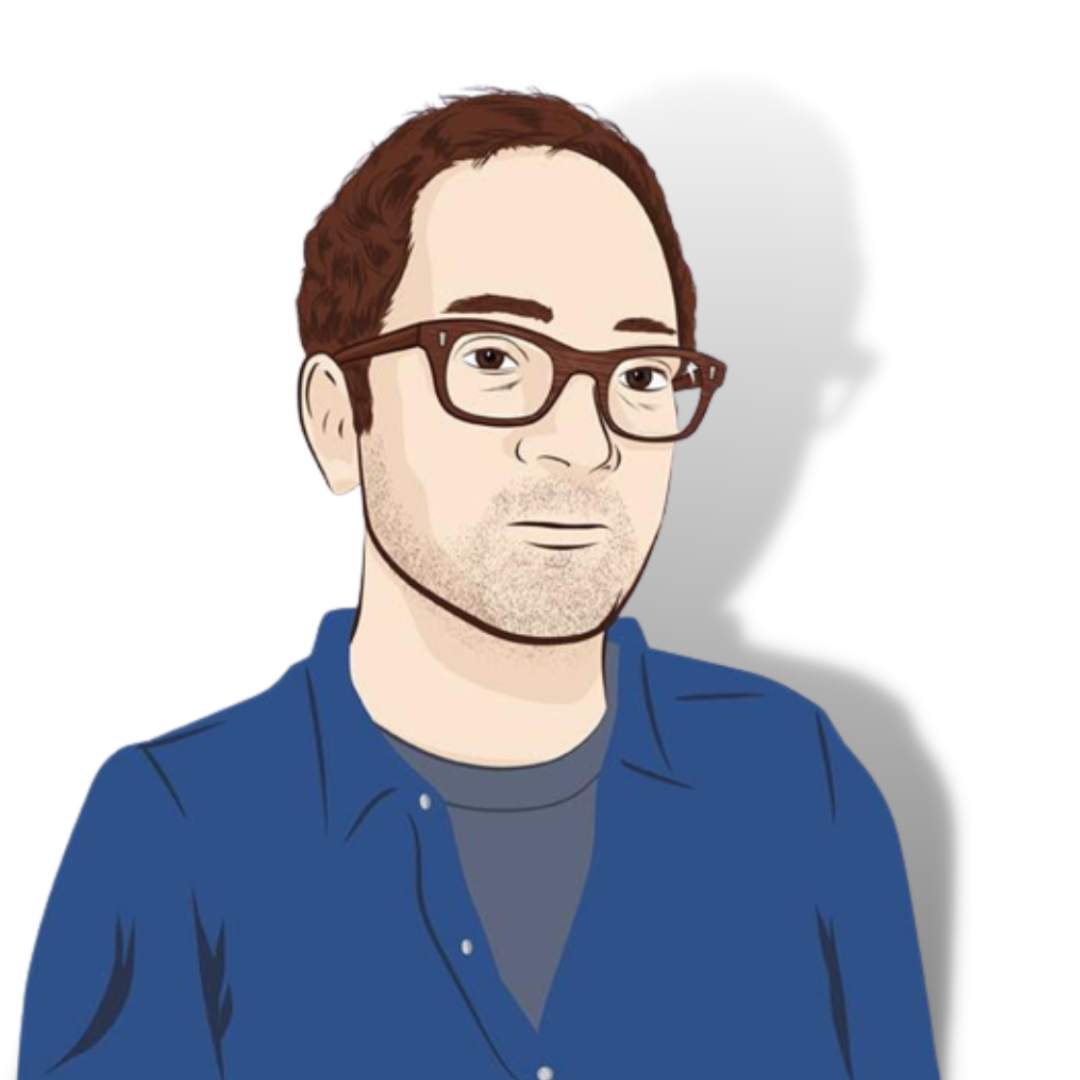
Scott Timberg, a former arts reporter for the LA Weekly and the Los Angeles Times, wrote on music and culture and was a contributor to Salon, the New York Times, and Vox. He was an award-winning journalist, a blogger on West Coast culture, and an adjunct writing professor. His previous book, Culture Crash: The Killing of the Creative Class, was published in 2015 by Yale University Press. Richard Brody of the New Yorker called Culture Crash “a quietly radical rethinking of the very nature of art in modern life,” and Ben Downing, writing in the Wall Street Journal, said, “Mr. Timberg succeeds in assembling a large, coherent, and troubling mosaic . . . weaving all manner of information and opinion into a fluent narrative of cultural decline.” Timberg died by his own hand on December 10, 2019, in Pasadena, California. He was fifty years old.
An excerpt from the Introduction by Ted Gioia
For many of us, Scott’s death revealed uncanny and disturbing connections with his professional life over the last decade, when he emerged as our leading chronicler and champion of creative professionals who had been squeezed and displaced in the “culture business.” This large and growing demographic included, as he saw it, everyone from journalists like himself all the way to the film lover who once worked at the local video rental store (before it closed) or the minimum-wage clerk at the defunct indie bookstore.
They had all been part of a healthy cultural ecosystem, and he had watched it collapse over the course of just a few years.
And then it happened to him too.
But at first there were successes. After working for The Day in Connecticut and the alt-weekly New Times in SoCal, Scott got hired by the Los Angeles Times. This was the ideal job for him, and again and again he delivered remarkable articles on tight deadline, never losing his enthusiasm for the next concert, the latest art exhibition, the forthcoming book, the hot new film, and anything else that came his way.
Scott had a knack for finding the best in the cultural scene on the dream coast. We would have long, rambling conversations about California—which for him was a rich tapestry in which the threads, on any given day, might include West Coast jazz, Ross Macdonald’s Lew Archer mysteries, Spike Jonze’s movies, Ed Ruscha’s pop art, Robinson Jeffers’s Hawk Tower, sci-fi from Ray Bradbury or Philip K. Dick, La La Land, L.A. Confidential, the California history books of Kevin Starr, the photos of William Claxton, or Gustavo Dudamel’s latest performance. Some of those turned up as subjects in his published writings, but the surviving articles and essays only begin to sketch out his endless curiosity and passion for his adopted home state.
He saw the challenges he faced echoed in the lives of so many others, and he cared deeply about all those who suffered in the same way he did. The notion that his abbreviated life might serve as a rallying point for the compassion owed to those squeezed by our culture shift would have given Scott a small bit of gratification. I know it provides me with some consolation.
But Scott would also want people to remember the joy and exhilaration he felt in pursuing his chosen vocation. His selected writings do just that. Here he still survives in the role he played best: the passionate and earnest culture writer who loved his misread city. I only wish it had loved him half as much in return.
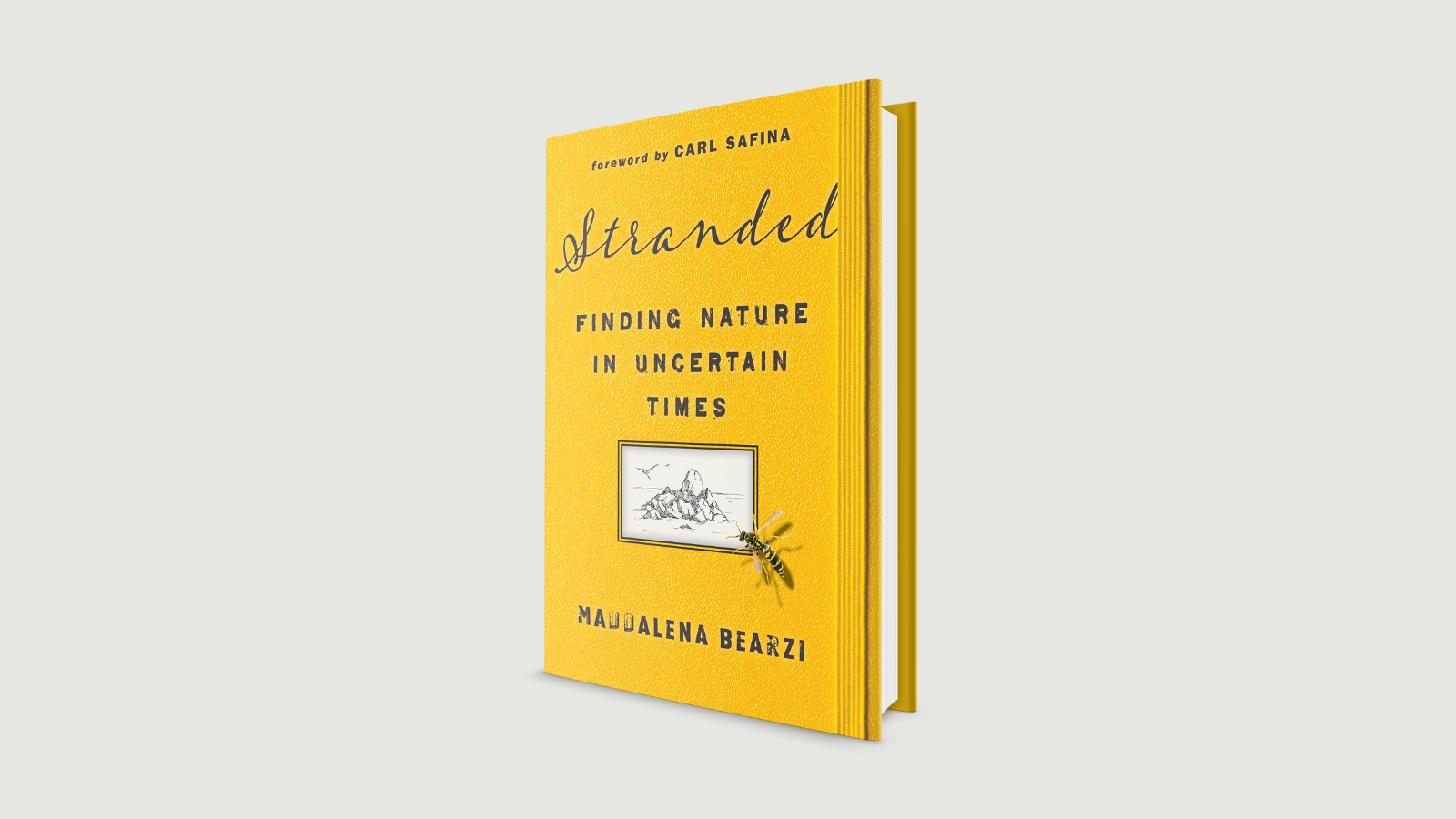
Debuts April 2023 — Stranded
FOR IMMEDIATE RELEASE
In Stranded Ocean Conservationist Finds Solace, Science, and A Call to Action in Everyday Nature
LA-based marine biologist Maddalena Bearzi charms and galvanizes in a new book that invites readers to embrace and defend the quotidian wildness in our own backyard
BERKELEY, CALIF. — When pandemic lockdowns stopped the world on a dime, seafaring scientist Maddalena Bearzi went from exploring the mysteries of the marine mammals teeming off the shore of the City of Angels to a life marooned on land. Having fought to save our imperiled seas for over twenty years, Bearzi knows the burnout of constant battle. When the pandemic’s paralysis took her out of action and kept her far from family, she returned to the curiosity that drove her into ecology. She charts this journey back to daily wonder at the natural world with warmth, charisma, and an activist undercurrent in Stranded: Finding Nature in Uncertain Times.
“Every anxious brain like mine […] on occasion needs some reprieve from stress,” writes Bearzi, who locates that reprieve by attuning to the natural habitats at her fingertips, even in the middle of the city. Her blossoming recognition of the marvel of life that surrounds us opens the door to other meditations. She invites us to perceive these alongside her, from our alienation from the more-than-human world to the rapacious growth of human-centered development choking out the life systems that sustain us.
With her trusty companion, a mutt named Genghis, by her side, Bearzi explores the nourishing connections of nature in urban LA. She observes with bemusement the anti-coyote hysteria of her neighboring Nextdoorians; she reconnects with her green-thumb mother from afar by cultivating a drought-resistant garden on a carbon-zero budget; and she interrogates the subtle systems of animal neuroscience, insectile social systems, and avian courtships thrumming all around us.
Bearzi offers this mindful attention to nature not only as a salve for interpersonal stress but also as the antidote to the apathy and paralysis of eco-anxiety occasioned by climate breakdown: “A virus, sooner or later, will either go away or become endemic; not this,” Bearzi cautions, “No jab can stop what we are doing to the only planet we have.”
Media Contact:
Kalie Caetano
Marketing & Publicity Manager
For review copies, feature interest, and interview and image requests, get in touch: publicity@heydaybooks.com
Keep up with Heyday on social:
Advance Praise for Stranded by Maddalena Bearzi
“Marine biologist Bearzi celebrates the marvels of ordinary wildlife in these charming meditations. Collecting vignettes about the animals she observed while confined to her Los Angeles home during Covid-19 lockdown, she serves up thoughtful commentary on humanity’s place in nature and the value of all creatures.”
—PUBLISHERS WEEKLY
”Bearzi’s thoughtful and meditative essays will appeal to naturalists, conservationists, and anyone who appreciates all the other animals with whom we share this planet.”
—BOOKLIST
“Stranded is one of the first great pieces of environmental writing to emerge from the COVID-19 pandemic.”
—PETER S. ALAGONA, author of The Accidental Ecosystem
“What happens when a scientist, trained in the powers of observing wildlife, turns that curious eye on herself? Maddalena explores so beautifully her journey of reckoning with the wild wonder of the everyday world as she realizes what she has left unexplored is not just found in the vastness of the ocean but in her own backyard.”
—BETH PRATT, author of When Mountain Lions Are Neighbors
“Bearzi has found her place as a nature essayist of the highest order.”
—CRAIG STANFORD, author of Upright
“Maddalena Bearzi’s way with words is magical, and so is her ability to transform what seem to be ordinary animals into miraculous creatures doing outrageous things right under our collective noses. And she puts us humans in our place as Earth’s worst nightmare, but also the best hope for restoring and safeguarding the health of the only home in the universe just right for us—and the millions of other species that underpin our existence.”
—SYLVIA EARLE, author of Sea Change
“Stranded reminds us of what we all too easily forget: the sustaining delights of finding beauty and wonder all around us.”
—FLORENCE WILLIAMS, author of The Nature Fix and Heartbreak
“Maddalena ends with not just hope but teaching-words of personal responsibility, grassroots activism, and large-scale governmental and other action that may—may—help us in this amazing, rapidly advancing Anthropocene Epoch.”
—BERND WÜRSIG, coeditor of Encyclopedia of Marine Mammals
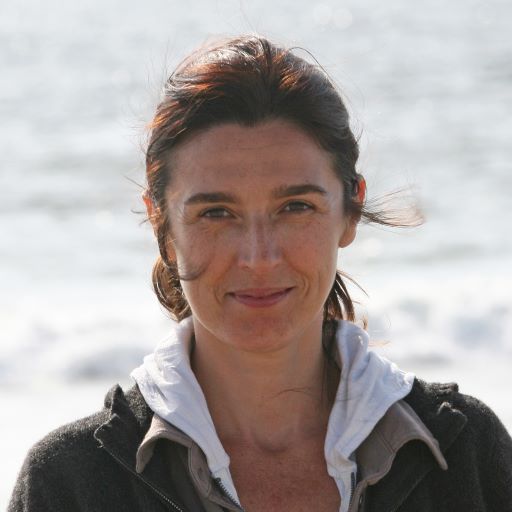
Maddalena Bearzi is president and co-founder of Ocean Conservation Society. She holds a PhD in biology and a postdoctorate from UCLA, and she has been involved in studying marine mammals, with a conservation bias, since 1990. Her research on dolphins and whales off California represents one of the longest investigations worldwide. She has published several scientific peer-reviewed papers, and she is coauthor of Beautiful Minds (Harvard University Press) and author of Dolphin Confidential (University of Chicago Press). Her work has been covered by CNN, NPR, Al Jazeera America, the Los Angeles Times, the Wall Street Journal, the Huffington Post, American Scientist, and National Geographic, among others. Born and raised in Italy, she now lives in Los Angeles with her husband and dog.
A Q&A with Stranded author Maddalena Bearzi
What drew you to find solace in nature during the pandemic lockdown, and why do you think so many others sought refuge in the wild worlds during this time?
Harsh periods often bring a reevaluation of what’s essential in our lives, and nature has the power to bring reprieve in those moments of uncertainty. The wildlife teeming around me, in both my backyard and my neighborhood, helped lift some of the bleakness of isolation during the pandemic and unearthed my sense of childhood curiosity that may have been somewhat diluted by the passing years.
I think many people found solace in the therapeutic power of nature during the pandemic simply by looking outside. There is no special training required to avail ourselves of the wild places near and far; we need only to unguard our hearts and minds to accept what nature offers. She asks only thing in return: our respect.
Your book expresses a deep affection for the nonhuman world. How does that sense of empathy inform your work as a scientist and conservationist?
Every day we scientists uncover findings about other animals sharing the planet with us. If we can genuinely begin to grasp other creatures’ intrinsic value in nature, consider their interests, even feel their pain, then we may begin to develop the empathy required to respect them as fellow beings. This empathy can help scientists to see beyond a narrow scope of study and begin to understand animals in a more holistic way.
Other than your own backyard, what are your three favorite places to connect with nature in Los Angeles?
By foot from my home, the natural bluffs overlooking Playa Vista with their dirt trails and a view of Los Angeles that extends from the ocean to the Hollywood sign.
By car, but still less than ten minutes from my backyard, the LA shoreline. Walking along the coast, I can see bottlenose dolphins foraging within one hundred feet of the beach, sea lions, harbor seals, different species of seabirds, and the multitude of minute creatures living in the intertidal zone.
Twenty or so minutes away, the Santa Monica Mountains offer over five hundred miles of hiking trails with access to a diverse and rich wildlife community. I can be eye-to-eye with a tiny shrew or, with a dose of luck, spot the silhouette of a one-hundred-fifty-pound mountain lion at a distance.
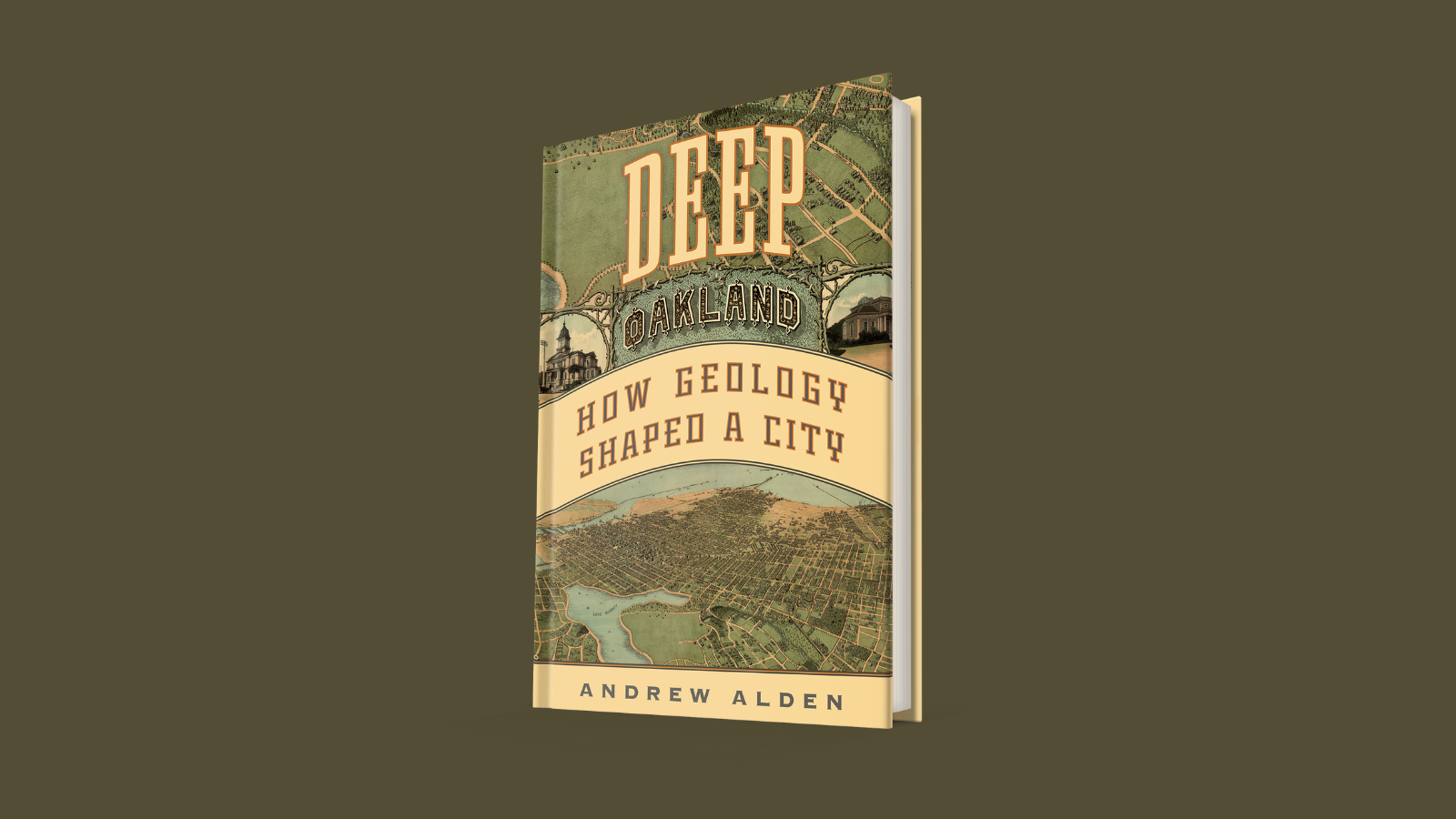
Debuts May 2023 — Deep Oakland
FOR IMMEDIATE RELEASE
Oakland Geologist Drills Into East Bay History from the Ground Down in New Book
In Deep Oakland, Andrew Alden excavates the ancient story of Oakland’s geologic underbelly, revealing how its subterranean sinews are intimately entwined with its human history—and future
“Deep Oakland is about so much more than just rocks. Bringing to life the incredible processes that continue to shape the East Bay, Alden’s treatment of geology also remains alive to its overlaps with the social and the cultural. This book has turned me into a newcomer to my own city, but has also changed the way I will view any landscape. I can think of few greater gifts than that.”
—JENNY ODELL, author of How to Do Nothing: Resisting the Attention Economy
BERKELEY, CALIF. — When we look at the history of a city, rarely do we see it from the “ground down,” says Andrew Alden—but it’s there that the story of any place truly begins. In Deep Oakland: How Geology Shaped A City, Alden surveys with winking insight and contagious enthusiasm the distinctive terrain of Oakland, California, revealing how quaking rocks, alluvial fans, and bubbling magma have formed the lands and the lives of everyone who has tread upon them since time immemorial.
“Geology is how the Earth works—how planets work,” writes Alden, and in this illustrated guide—featuring 11 pen and ink maps by Laura Cunningham—visitors to planet Oakland can see this corner of the world as never before, from the “shimmering heart” of Lake Merritt to the slumbering volcano at the city’s edge.
Like its modern-day demography, Oakland boasts unparalleled diversity in its bedrock, being home to more kinds of rock than any other city in the U.S. To these rocks Oakland owes its one-of-a-kind landscape: a belt of coastal flats arrayed in front of a range of high hills over a million years old perched atop the tremulous, creeping Hayward Fault that has shaken, shunted, and shifted the East Bay into its present-day configuration. With a true local’s delight, Alden plunges readers into this cosmic backstory of some of the Town’s most beloved pockets—the wineglass valley of Claremont Canyon, the rocky melange of Mountain View Cemetery, and the soulful stream valley of Indian Gulch, to name a few—showing us how what lies beneath has carved out what we abovegrounders see today.
Throughout, Alden traces how Oakland’s layered natural history has formed and been formed by all who have stepped upon it, from the oak-grove-dwelling Ohlone to the 19th-century squatters who incorporated the town, to today’s urban melting pot. Bearing the vatic scale of geologic time in mind, Alden encourages his readers to think, like the Town’s first peoples did, seven generations ahead and imagine how human action may shape this city’s landscape in the next half-century to come.
Media Contact:
Kalie Caetano
Marketing & Publicity Manager
For review copies, feature interest, and interview and image requests, get in touch: publicity@heydaybooks.com
Keep up with Heyday on social:
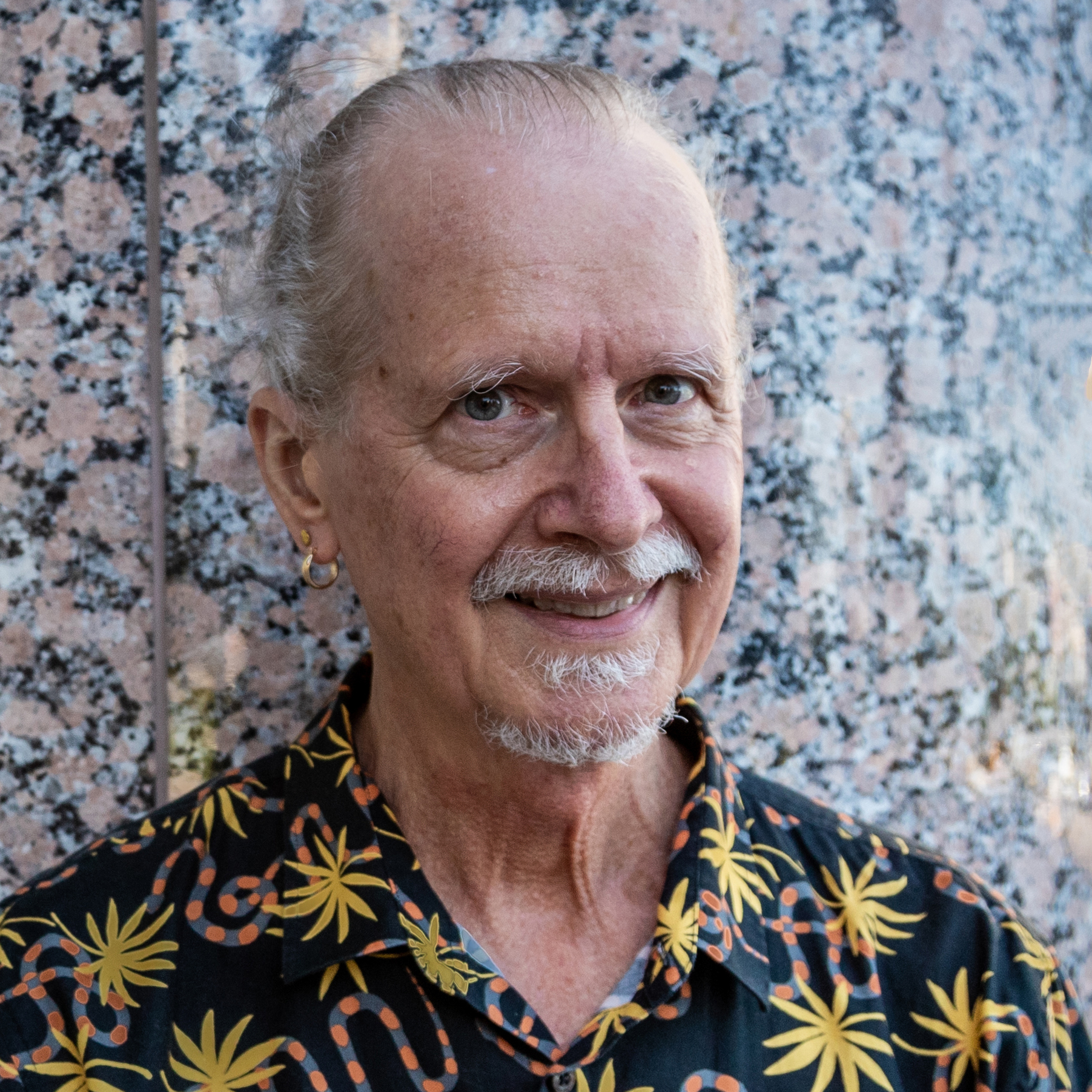
Andrew Alden is a geologist and geoscience writer who has worked for the US Geological Survey and reported for KQED and Bay Nature. Long fascinated with rocks and landscapes, Alden is one of the foremost experts on Oakland’s natural history and found inspiration for his debut book, Deep Oakland, in the 1989 Loma Prieta earthquake, which, as he writes, “ripped the city open and revealed to us its heart and character.” Through his writing Alden raises awareness for what he calls the deep present: the appreciation of the ancient underpinnings that shape the modern-day surroundings of daily life. His website is oaklandgeology.com.
Advance Praise for Deep Oakland
“Spending time with Andrew Alden is like giving yourself x-ray eyes. Deep Oakland unearths incredible insights into this land we love.”
—ROMAN MARS, coauthor of The 99% Invisible City: A Field Guide to the Hidden World of Everyday Design
“Alden’s new book is chock-full of fascinating historical as well as geological lore about a city that too often lives in the shadow of its more glamorous neighbor. The book is a masterful rejoinder to Gertrude Stein’s famous quip about the city of Oakland. Not only is there a there there, but it has deep and fascinating roots.”
—SUSAN HOUGH, author of The Great Quake Debate: The Crusader, the Skeptic, and the Rise of Modern Seismology
“Andrew Alden has written a love song to Oakland, the people, the history, and the geology. Deftly telling the multimillion year story of the landscape, he reveals the dynamic and beautiful world under and around Oakland’s streets and hills in elegant and passionate prose. His stories will open the eyes of newcomers and long-term residents, grounding them in the city’s past and present, as well as offering reasons to plan for the future.”
—DAVID B. WILLIAMS, author of Stories in Stone: Travels through Urban Geology
“In this vivid account of Oakland’s exceptionally rich geology, Andrew Alden weaves together historical and geological tales in elegant non-technical language that will tempt you to explore Oakland’s beautiful landscape from the Bay margins to the crest of the hills.”
—DORIS SLOAN, author of Geology of the San Francisco Bay Region

Debuts May 2023 — What You Don't Know Will Make a Whole New World
FOR IMMEDIATE RELEASE
New Memoir from Beloved Oakland Librarian Engages Race and Resilience in Coming-of-Age Tale
Public historian Dorothy Lazard shares her origin story and celebrates the catalyzing role of libraries in her upbringing in the Bay Area.
BERKELEY, CALIF. — What You Don’t Know Will Make a Whole New World is Dorothy Lazard’s autobiographical coming-of-age story as a young Black girl navigating race and embracing the world-expanding power of the written word in the San Francisco Bay Area of the 1960s and 70s. Transplanted to the West Coast by way of segregated St. Louis, this engrossing memoir offers Lazard’s account, told through her adolescent and teenage eyes, of her dawning consciousness of the dynamics of racism in America and the worlds that opened to her through the sanctuary of public libraries.
“The library was a great, seductive classroom,” writes Lazard of her first heady encounters with the stacks, where she, like Malcolm X, vowed to become an autodidact. “It was during this honeymoon with the public library that I began to see how my life could be radically different from my mother and grandmother’s lives,” writes Lazard, “I could be my own something if I only learned enough.”
Lazard’s journey to become her own something takes us through some of the most tumultuous chapters of the Black liberation struggle—from the assassinaton of Martin Luther King Jr. to the flowering of the Black Arts Movement. Against this backdrop, Lazard points to her intellectual guideposts—James Baldwin, Maya Angelou, Nina Simone, Curtis Mayfield—who guide her quest toward self-determination.
Today the deeply beloved and now retired doyenne of the Oakland Public Library system, Lazard has built a career carrying the torch for the potent role of libraries as a haven for the ever-curious, the underserved, and the often marginalized. This memoir is her origin story, charting her journey from a Missouri orphanage to her adopted hometown of Oakland, revealing along the way how her early love of learning opened her young eyes to herself, her society, and ultimately her future as a change-maker and memory-keeper.
Media Contact:
Kalie Caetano
Marketing & Publicity Manager
For review copies, feature interest, and interview and image requests, get in touch: publicity@heydaybooks.com
Keep up with Heyday on social:
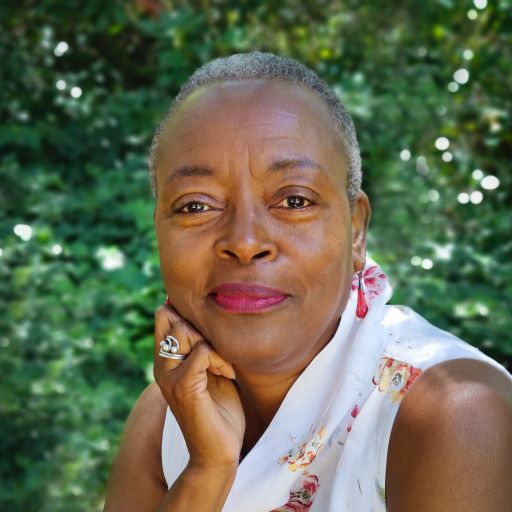
Dorothy Lazard was born in St. Louis and grew up in San Francisco and Oakland. A librarian for nearly forty years, she joined the staff of the Oakland Public Library (OPL) in 2000. From 2009 until her retirement in 2021, she was the head librarian of OPL’s Oakland History Center, where she encouraged people of all ages and backgrounds to explore local history. Beloved by her Bay Area community, she has been an indispensable resource for journalists, library patrons, and all the ever-curious that have crossed the threshold of OPL, and has featured in conversations on the history of Oakland and her own work in Oaklandside, KQED, and NBC Bay Area among others. She lives in Oakland. Photo by Gene Dominique.
A Q&A with What You Don’t Know Will Make A Whole New World author Dorothy Lazard
Your book tells the story of your childhood and coming-of-age, in particular the formative intellectual experiences that led to your distinguished career as a librarian and historian. How would you like this book to inspire younger readers?
I wrote this memoir with young people in mind, especially those who may not find themselves in environments that foster learning. I hope the book will encourage them to find places and people who can cultivate their curiosities. I also hope the book conveys the joy I found in reading (and later writing) because it not only fed me creatively, but freed me in ways that nothing else had during my childhood. It empowered me with academic achievement, dreams, practical skills, connection, and empathy. I learned that I had a place in the world. Knowing that can sustain anyone.
You have a lot of admirers, especially in the Bay Area (#DorothyLazardFanClub). What do you hope Bay Area readers will find interesting about this book? And what resonance does your story have for readers nationwide?
I hope local readers see how much I came to love San Francisco and Oakland, by exploring both places. I’d like them to see how inspiring a place Oakland was. So much of the Oakland of my childhood is gone now. By writing this memoir I wanted to resurrect lost and unheralded parts of the city and to celebrate aspects of it that fostered my development.
I expect my coming-of-age story will resonate nationwide because it tells a migration story, a Black Power story, a multi-generational family story, and a story that celebrates the enduring quest for education and freedom.
Is there any one principle that especially guides your own writing? And what books do you look to first as models when you write?
Honesty is a driving principle when I’m writing a story, giving it factual details and emotional truths. I ask myself: Have I described this event or explained this process as clearly as I can? What is my intention? Does this sentence need to be here, or am I just in love with how it sounds? Keeping these considerations in mind has not only made me a more skilled writer, but editor too. I’m a dedicated nonfiction reader, particularly of biographies, histories, and stories about cities. I admire writers like Isabel Wilkerson who take deep dives into their subjects.
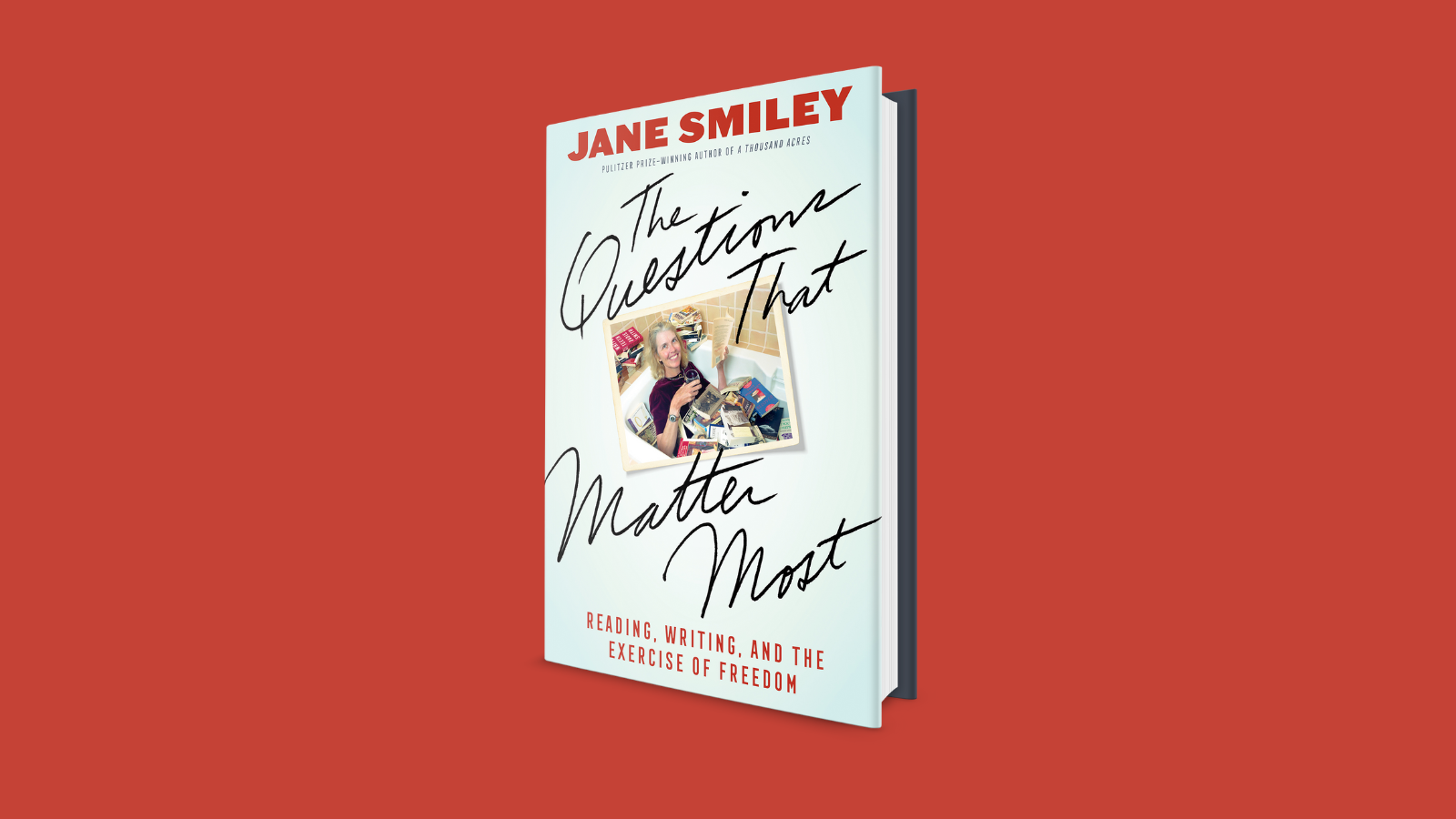
Debuts June 2023 — The Questions that Matter Most
FOR IMMEDIATE RELEASE
Pulitzer Prize-Winning Author Jane Smiley Unearths Valuable Lessons in Life and Writing in A New Summer Must-Read
The Questions that Matter Most, debuting June 2023 from Heyday Books, presents Smiley’s first literary nonfiction collection since 2005’s best-selling Thirteen Ways of Looking at the Novel
BERKELEY, CALIF. — When it comes to writing—what questions matter most? From Dickens to Kafka and beyond, The Questions that Matter Most: Reading, Writing, and the Exercise of Freedom gathers 18 of bestselling novelist Jane Smiley’s most penetrating works for the New Yorker, the Atlantic, the Los Angeles Times, and other outlets, as well as three new essays original to this book that assess the empathic, liberating power of the written word.
In this volume, Smiley’s analytical terrain is capacious: She explores ancient Icelandic sagas; the paucity of maternal voices in literature; the radical muckraking of Jessica Mitford; child development vis-à-vis Little Women; dogged questions of virtue; the racial pitfalls of Mark Twain and the redemptive voice of Harriet Beecher Stowe—among myriad other concerns. Woven throughout are personal reflections on her own upbringing and identity and their influence on her writerly outlook.
Taken together, these meditations provoke the central tension of any reader’s experience, namely: What happens when the theory that a reader brings to a book rubs up against their sense of the world? And when those worlds collide, will the reader submit to prevailing narratives or resist?
“The entire time you are reading any novel, you are experiencing freedom and autonomy, and this is a political experience,” says Smiley, “You are also experiencing either agreement with the author or disagreement, and this is a political experience, too.”
Ultimately The Questions that Matter Most reveals that, like life, writing and reading are rooted in voluntary acts of connection—and that it remains critically important to remain ever-open to the intimacy, empathy, and unexpected turns that such an exercise entails.
Media Contact:
Kalie Caetano
Marketing & Publicity Manager
For review copies, feature interest, and interview and image requests, get in touch: publicity@heydaybooks.com
Keep up with Heyday on social:
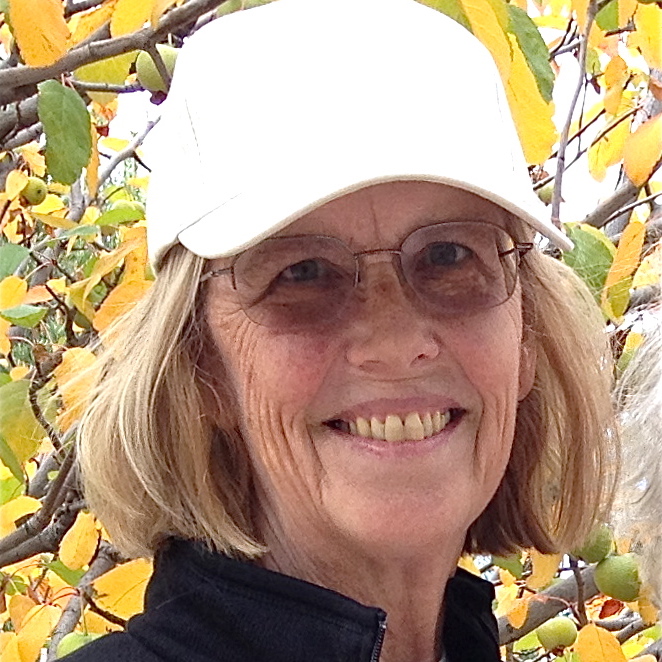
Jane Smiley was born in Los Angeles. Her novel A Thousand Acres won the Pulitzer Prize and the National Book Critics Circle Award in 1992, and her novel The All-True Travels and Adventures of Lidie Newton won the 1999 Spur Award for Best Novel of the West. Her novel Horse Heaven was short-listed for the Orange Prize in 2002, and her novel Some Luck was longlisted for the 2014 National Book Award. She has been a member of the American Academy of Arts and Letters since 1987 and has written for numerous magazines and newspapers, including the New Yorker, the New York Times, Harper’s, and the Nation. Her most recent novel, A Dangerous Business, was published in 2022. She lives in Carmel Valley, California.
A Q&A with Jane Smiley, author of The Questions That Matter Most
You are best known as a novelist, yet you’ve steadily written essays about authors and issues that matter. What especially attracts you to the essay?
As people know who’ve read Thirteen Ways of Looking at the Novel, I believe that the novel is essentially political and has to be political because as the author portrays a culture (even a small one), he or she has to have a theory about that culture and its faults and virtues. I have had feelings and ideas about issues ever since ninth grade, when my history teacher told me why he disapproved of Barry Goldwater. And it’s also true that when I was in college, politics was front and center for my generation. But the politics in a novel can’t be strident or even, in some ways, open. Although some novelists, like Charles Dickens, have been openly reformist and others, like Jane Austen, have been more subtle, it is always in the structure and choices of a novel. Once I began being asked to write essays, I used the opportunity to express my opinions, knowing that they might be controversial for some readers, but that it was important to support some causes and critique others. I enjoy both fiction and nonfiction, but fiction is my first love, and nonfiction is, in some sense, my attempt at learning.
Is there any such thing as the Great California Novel? And if so, is it aspirational or has it been written?
I wonder if the Great California Novel is even possible, given how different, both socially and geographically, all the regions of the state are. If I were writing about social diversity, I would set my GCN novel in Riverside County. If I were writing eco-history, I would set it in the Sierras. If I was exploring touchy political issues, I would begin by exploring several Native American tribes in California, and follow them through the nineteenth century as they are conquered and decimated by the invaders. If I wanted to write a great but hopeful California novel, I would write a sci-fi novel in which liberalism in California spreads east like a virus and saves our country.
Do you have any advice for writers just starting out at a time when the traditional literary canon is being challenged?
The literary canon is always being challenged, which is a good thing. When I was a young female writer, there was nothing I wanted more than to get rid of the Norman Mailer generation. It’s always time for young writers to critique their elders (even the ones they enjoy) and set out to express their own ways of thinking—that is what keeps literature alive. And keeping literature alive is important, because literature asks us to see things in empathetic and complex ways and to learn and feel pleasure at the same time.
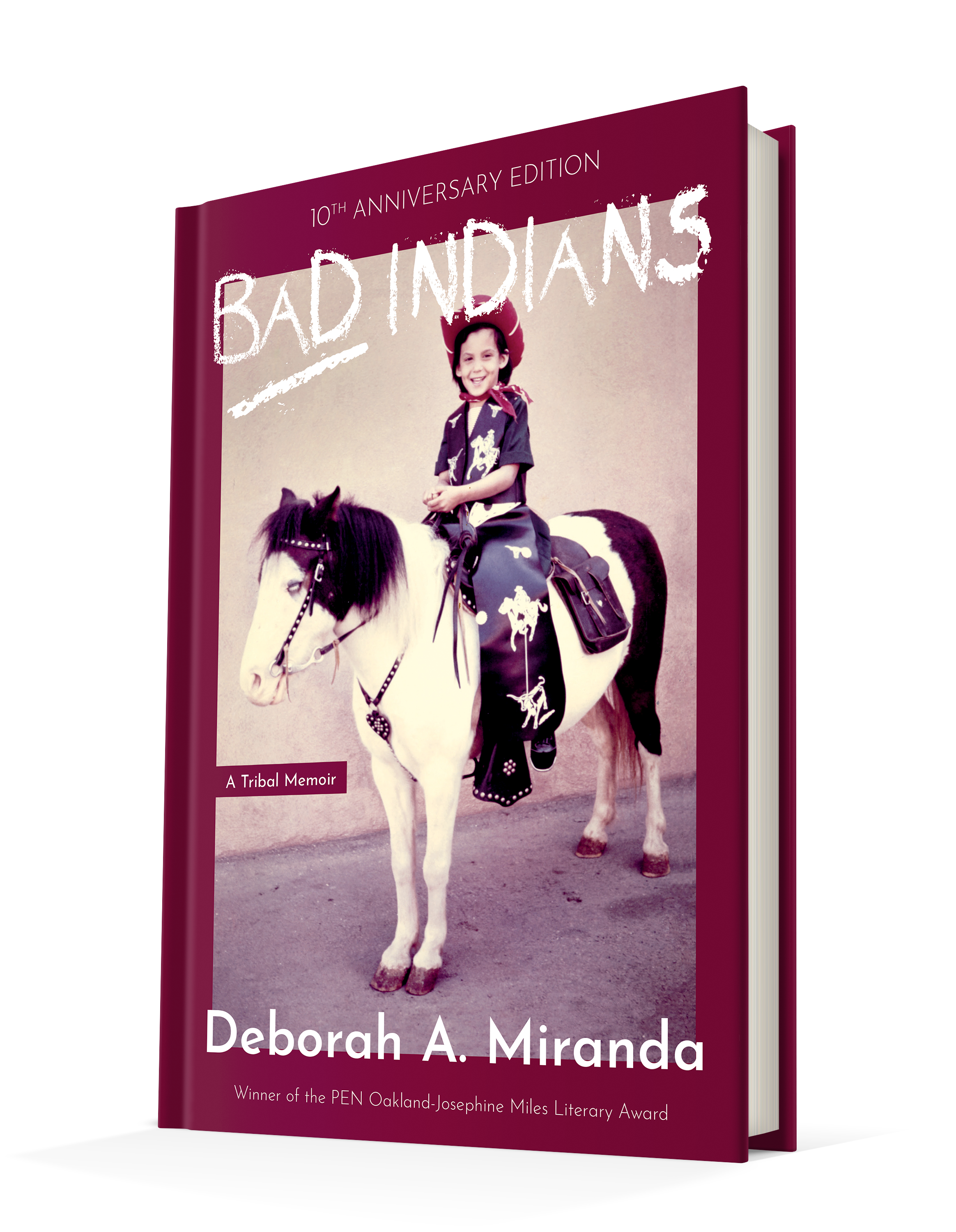
Q&A with Deborah A. Miranda on the 10th Anniversary Edition of Bad Indians: A Tribal Memoir
A Q&A with Bad Indians author Deborah A. Miranda
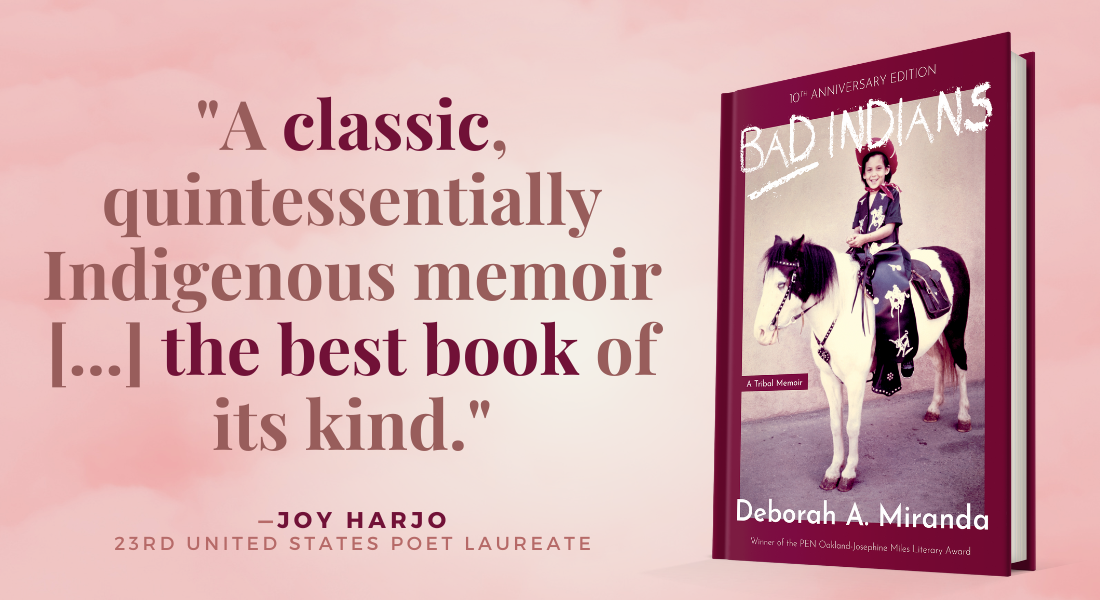
The critically acclaimed mixed-genre chronicle of Native American survivance by poet-professor Deborah A. Miranda debuts in hardcover with over 60 pages of new material in honor of the book’s 10th anniversary this Indigenous Peoples Day. The best-selling first edition of Miranda’s revolutionary memoir—adopted widely by book clubs and classrooms across the nation—is a classic of Native American Literature and an indispensable entry point for anyone seeking a more just telling of US history.
Featuring never-before published essays and poetry, the 10th Anniversary Edition of Bad Indians: A Tribal Memoir plumbs deeply into Indigenous displacement, genocide, resilience, and solidarity in a poetically rendered corrective to prevailing narratives of Native erasure. With dauntless emotional honesty, Miranda challenges the pedagogy of California Missions history, envisions Native life through colonization, and reflects movingly on intergenerational legacies of colonial trauma and collective liberation.
It’s been a decade since Bad Indians was first published. What gives the lessons of this book continued, or even deepened, urgency?
Bad Indians is a response to the erasure and silencing of California Indian experiences and history by colonial powers and cultural mythology—history books, tourism, the Catholic Church, the United States government, and educational institutions. Even as California Indian voices become stronger, challenges to Indigenous rights and tribal sovereignty keep coming. In the 2015 canonization of Junipero Serra, and in the absence of an accurate California history curriculum, we still see attempts to erase historical crimes—attempts often made by descendants of the very people and institutions that committed those crimes. In 2017, the California State Board of Education published a history and social science framework that did not mention Congress’s funding of bounties for Indian deaths, or California governor Peter Burnett’s open insistence on waging “a war of extermination” against California Indians. Obviously, we still have much work to do.
Many educators now teach your book in universities and even high schools. How have you’ve seen this book affect students?
One undergraduate told me, “I’m 20 years old, born and raised in California, and I’ve never heard any of this history about the Indigenous people in my own state. I never realized that my education has such huge holes in it!” I hear this story a lot; students feel the book is a wake-up call to ask more questions, demand better answers. One young Indigenous woman walked up to me after a reading at a university, handed me a folded note, said, “Thank you,” and walked away. The note began, “It happened to me way before fourth grade.” She went on to write about how reading pieces in this book peeled away layers of shame and gave her a new perspective about connections between colonization and contemporary sexual assault of Indian girls and women.
What hopes do you have for this book over the next ten years, and beyond?
I hope Bad Indians keeps motivating readers to educate themselves about the long-reaching effects of colonization in everyone’s lives, and to act on that knowledge—whether that means supporting California Indian communities, cultures, and arts, or finding ways to heal themselves and their communities. I also hope the book encourages other young Indian people to see that yes, Indians can write poetry, fiction, essays, scholarship; that our own stories have value and meaning, that we can use language and art to mend the wounds caused by colonization that often keep us isolated from one another. This is what we need in order to form the community that nourishes our future.